

Pigment goes into skin, not onto it, so the healed shade is your colour seen through your own lip. What that means on naturally pigmented lips, from Kate Kanner in Makati.
Most lip blush articles were written for lips that start out pale. They tell you to pick a shade you like, and the healed result will be a softer version of it. On naturally pigmented lips that advice is not just incomplete, it is close to the opposite of what happens.
I am Kate Kanner and I perform permanent makeup at Reverie in Salcedo Village, Makati. A large share of the lips I work on have some natural darkness, most often around the border and at the corners, and the single most common disappointment in this procedure comes from not accounting for it before the first pass. This is what actually happens to colour in the skin, and what to ask before you book anywhere.
What lip blush is, in one paragraph
Lip blush is a machine technique that places sheer pigment through the body of the lip, not a line drawn around it. The result should read as a lip that is naturally that colour, slightly fuller looking because a defined edge catches light. It is not lipstick and it will not behave like lipstick. Anyone showing you a healed result as saturated as a matte liquid lipstick is showing you a photograph taken on the day, not a healed result.
The part nobody explains: your lip already has a colour
Pigment goes into skin, not onto it. So the healed shade is never the shade in the bottle. It is that shade seen through your own tissue, sitting on top of whatever colour your lip already is.
Think of it as a translucent layer rather than paint. A warm coral placed over a lip with cool, greyish natural pigment does not heal coral. It heals muted, a little brown, sometimes flat. The client picked the colour they wanted, the artist used exactly that colour, and the result still disappoints, because the lip underneath was never white paper.
This is the most frequent reason for an unhappy lip blush, and it is entirely predictable. It is a mapping problem, not a pigment problem.
Neutralization, and why some lips need a step first
When the natural pigment is strong, cool or uneven, the answer is not a stronger colour on top. Piling warm pigment over cool pigment makes mud.
The answer is neutralization: a first pass whose job is to correct the base tone rather than to give you your final colour. It cancels the grey or the blue-purple, and it makes the lip a workable ground. The colour you actually want goes on afterwards, and it lands the way it looked in the mapping.
I perform lip neutralization as its own step for exactly this reason. It matters for expectations: a lip that needs neutralizing needs more than one session before it looks like the goal, and anyone who does not tell you that beforehand is setting you up to be unhappy at week four. If you have visible darkness at the lip border, at the corners, or a lip that reads noticeably cooler than your skin, ask at the consultation whether neutralization is part of your plan. The honest answer changes the timeline.
How long it lasts here
One to three years is the honest range, and lips sit at the shorter end of permanent makeup rather than the longer.
Lips renew their surface faster than brow skin, they are constantly wet, they get eaten off, and they are the part of the face most exposed to friction. None of that is a defect in the work, it is what a lip is. Brows on the same person routinely outlast lips by a year.
What shortens it fastest, in the order I actually see it:
Sun, and it is not close. Ultraviolet light breaks pigment down, and this is the tropics. A lip balm with SPF is the single highest-value habit for keeping the colour, and it costs nothing.
Acids and actives. Any exfoliating lip scrub, and any AHA, BHA or retinol product that touches the lip while you use it on the face around it. They are doing to your pigment exactly what they do to a dark spot.
Smoking, and frequent very hot drinks, both through simple turnover.
The first ten days, honestly
The healing sequence surprises people more with lips than with any other area, so it is worth knowing in advance rather than panicking on day five.
Days one and two, the lips are swollen and the colour is far brighter and more intense than the final result. Nobody should judge anything here, and this is the stage that produces the alarmed messages.
Days three to six, the surface dries and flakes. It is important not to pick. Pigment leaves with anything you pull off early.
Days six to ten is the stage that frightens people: the colour looks almost completely gone. This is normal and it is called the ghost phase. A fresh layer of skin sits over the pigment and has not yet cleared.
Around week three to four, the colour comes back, softer and more natural than day one. That is your result, and that is the first honest moment to assess it.
The second session is part of the procedure
A retouch six to eight weeks after the first session is not an upsell and not a sign anything went wrong. Skin rejects a percentage of pigment as it heals, and lips reject more of it than brows do. The second visit replaces what was lost and adjusts the tone once the true healed colour is visible.
When comparing quotes anywhere, ask directly whether the retouch is included. A price without it is not a lower price, it is an unfinished procedure.
Who should wait
Anyone who gets cold sores. This is the one worth saying plainly. The procedure can wake up a dormant herpes simplex virus, and a flare during healing damages the result as well as being miserable. It is not a reason never to do lip blush, it is a reason to speak to your doctor about antiviral cover beforehand and to plan the appointment around it. Tell your artist. An artist who does not ask you about cold sores before a lip appointment is not being careful with you.
Also wait if you are pregnant or breastfeeding, if you are on active acne medication such as isotretinoin, or if you have an active flare of any kind on or around the lip.
What to bring to the consultation
Come with your face bare and your lips bare. I need to see the natural tone to predict the healed one, and a tint hides exactly the information that decides the plan.
Bring one or two lipsticks you actually reach for, not the ones you aspire to. They tell me more about the shade you will still like in a year than any description does. And bring a photograph of a healed result you like, not a fresh one, if you have one.
The colour gets decided with you, in the mirror, before anything is applied. That part is free and it is the part that determines whether you are happy.
Book with me
If you want to know how your own lips would take colour, that is a consultation question and it costs nothing to ask. The full list of what I do, healed results, and booking are on my page: Permanent Makeup Makati with Kate Kanner.
Frequently Asked Questions
How long does lip blush last in the Philippines?
One to three years, usually toward the shorter end of that range. Lips renew faster than brow skin and the sun here is the main factor in how quickly the colour fades. A lip balm with SPF makes a visible difference over a year.
Will lip blush look like lipstick?
No, and it should not. It heals sheer, as though your lips are naturally that colour. Any result as saturated as a liquid lipstick is a photograph taken on the day of the procedure, before healing.
My lips are naturally dark. Can I still get lip blush?
Yes, but the plan is different. Strong or cool natural pigment has to be neutralized first, in its own pass, before the colour you want will land the way it looked in the mapping. Expect more than one session, and be cautious of anyone who promises the final shade in a single visit.
Does lip blush hurt?
Lips are more sensitive than brows, so it is a stronger sensation, but it is manageable. I use a high grade numbing cream before the session and top it up during it. Most clients describe it as uncomfortable rather than painful.
Why do my lips look like the colour disappeared?
Because around days six to ten it does look that way. A fresh layer of skin sits over the pigment before it clears. The colour returns at roughly week three to four. Judge the result then, not before.
Can I get lip blush if I get cold sores?
Usually yes, with preparation. The procedure can trigger a dormant herpes simplex flare, so speak to your doctor about antiviral cover before the appointment and tell me in advance so we plan the timing.
How long is a lip appointment?
Plan for two to three hours. A significant part of that is mapping the shape and settling the colour with you before any pigment is applied.
What should I avoid before the appointment?
Alcohol and caffeine on the day, blood thinning supplements such as fish oil and vitamin E for several days beforehand where your doctor agrees, and any acid or retinol near the lip for a week. All of them increase bleeding, and bleeding pushes pigment back out.
Can old or uneven lip pigment be corrected?
Often yes. Correction and cover-up is part of what I do, and where existing pigment is too dark or the wrong tone to work over, it can be reduced first. Bring the existing work to the consultation rather than describing it, since lip pigment photographs badly.
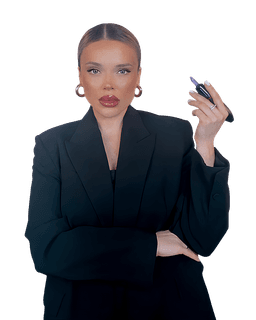
Written by
Kate KannerPermanent Makeup Artist · Europe certified, 10+ years
Kate Kanner performs permanent makeup at Reverie in Salcedo Village, Makati. Her work covers powder and ombre brows, lip blushing and neutralization, classic lash line and powder eyeliner, correction and cover-up, and laser removal of existing permanent makeup.
Topic Tags
Book with Kate Kanner
The consultation is free, and it is where the shape and the colour get decided, in a mirror, before anything is applied.