

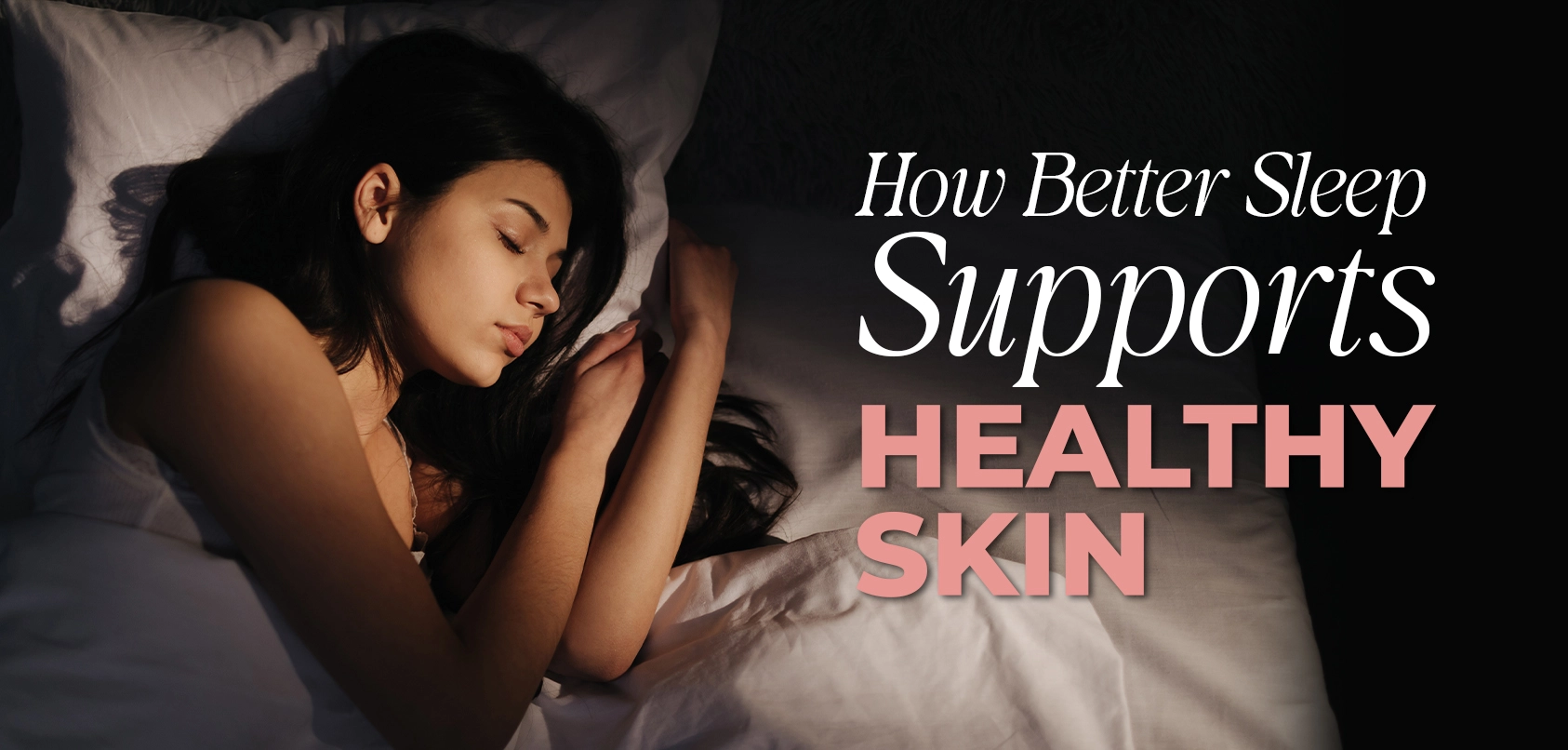
Beauty sleep is real. During rest, your skin repairs, regenerates, and boosts collagen. Lack of sleep raises cortisol, causing dullness and breakouts. Rest deeply to restore and glow from within.
We’ve all heard the phrase “beauty sleep”, but did you know it’s actually backed by science? Research shows that both the amount and quality of your sleep directly affect your skin’s health, appearance, and ability to repair itself. The next time you’re tempted to stay up late, remember: your skin will notice first.
What Happens to the Skin While We Sleep
While we sleep, the body enters repair mode. Skin cells regenerate more intensely, blood circulation improves, and collagen production increases. Collagen is the protein responsible for keeping the skin firm, smooth, and resilient.According to a study published in Clinical and Experimental Dermatology (2015), skin cells regenerate up to three times faster at night than during the day. Sleep also supports the skin barrier and helps repair damage caused by UV exposure and environmental stressors.
On the other hand, lack of sleep raises cortisol levels, the body’s main stress hormone. Elevated cortisol can trigger inflammation, increase oil production, and slow down the skin’s natural renewal process (American Academy of Sleep Medicine, 2021). The result is tired, dull skin that appears less radiant and more prone to breakouts.
Visible Signs of Sleep Deprivation
Your skin often reveals how well you’ve slept. When sleep is insufficient, several symptoms appear:
1. Dark circles and puffiness under the eyes2. Dry or dull skin
3. Fine lines and wrinkles4. Slower healing of blemishes or wounds5. More frequent breakouts due to hormonal imbalance
Even one night of poor sleep can weaken the skin barrier and lead to dehydration (Estée Lauder & University Hospitals Case Medical Center, 2013). Over time, chronic sleep deprivation contributes to premature aging, uneven tone, and loss of elasticity.
- Establish a Consistent Sleep Schedule. Go to bed and wake up at the same time every day. According to the National Sleep Foundation (2022), a regular sleep rhythm helps regulate the body’s internal clock, making it easier for your skin to follow its natural repair cycle.
- Nourish Your Skin Before BedIn the evening, the skin becomes more permeable and receptive to active ingredients. Use restorative serums that contain hyaluronic acid for hydration, retinol for cell renewal, or niacinamide to strengthen the skin barrier. These ingredients work overnight to support regeneration and smooth texture.
- Optimize Your Sleep EnvironmentA cool, dark room supports deep rest. Exposure to light and warmth interferes with melatonin, the hormone that triggers sleep. Studies suggest that maintaining a room temperature of around 18–20°C (65–68°F) promotes better sleep quality (Sleep Foundation, 2020).
- Stay Hydrated; But Not Right Before BedHydration is essential for maintaining the skin’s elasticity and glow. Drink enough water throughout the day, but avoid large amounts an hour before sleeping to prevent nighttime interruptions.
- Limit Screen Time Before BedThe blue light from phones and computers disrupts melatonin production and delays the skin’s shift into its repair phase. Experts recommend reducing screen exposure at least 30–60 minutes before bedtime (Harvard Medical School, 2018).
The Science of Sleep and Skin Aging
A 2013 clinical study led by physician Elma Baron found that people who consistently slept well had faster recovery from skin damage, better moisture levels, and fewer fine lines than those who slept poorly. Adequate sleep boosts blood flow to the skin and enhances collagen synthesis, which are both vital for maintaining youthful texture.
When we sleep deeply, growth hormones are released, encouraging tissue repair and new cell formation. This is why nighttime is often called the skin’s “golden hour” for renewal.

Good sleep is not a luxury, it is a cornerstone of healthy skincare. Giving your skin time to rest allows it to recover from the stresses of the day and reveal its natural radiance.
When you choose rest, you are not only improving your skin’s appearance but also supporting your body’s overall balance and mental well-being. Because real beauty doesn’t just come from a jar, it comes from the quiet hours of sleep that help you restore, renew, and glow from within.
References:
- Clinical and Experimental Dermatology (2015): Circadian rhythm and skin cell regeneration
- Harvard Medical School (2018): Blue light and sleep disruption
- Sleep Foundation (2020): Room temperature and sleep quality
- American Academy of Sleep Medicine (2021): Sleep and cortisol regulation
- Estée Lauder & University Hospitals Case Medical Center (2013): Sleep deprivation and skin aging study
Interested in Learning More?
Schedule a free consultation with our expert team to discuss how our treatments can help you achieve your beauty goals.